Henry Flagler was renowned for his monumental contributions to Florida’s development. He was a key figure in expanding the state’s railroad system, driving it further into previously inaccessible regions. Flagler also played a pivotal role in transforming Palm Beach into a premier resort destination and was instrumental in constructing grand hotels in remote areas. Additionally, he’s known for founding Standard Oil with John D. Rockefeller and his philanthropic efforts, including ambitious projects like draining the Everglades.
Henry Flagler: Legends and Curiosities

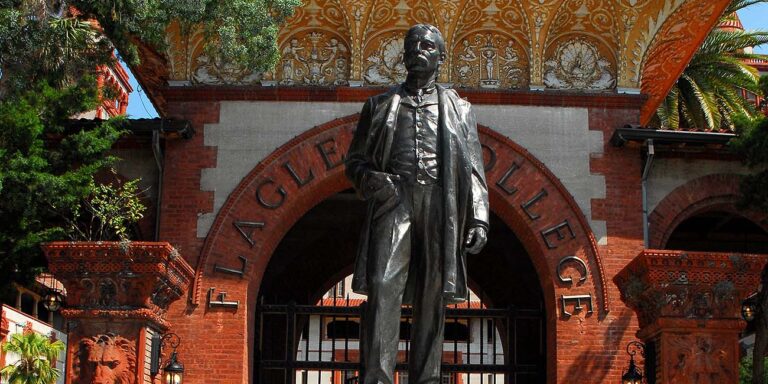
The Best Way to Learn About Henry Flagler in St. Augustine
The best way to understand Henry Flagler’s impact on St. Augustine is by exploring his Gilded Age architectural projects, Florida East Coast Railway history, and the 1891 Old Jail. As the co-founder of Standard Oil, Flagler transformed the city from a quiet town into a luxury travel destination by building grand hotels and modern infrastructure. Taking a guided tour of the Old Jail provides a unique look at how Flagler’s vision shaped local law enforcement, judicial history, and regional development.
Why Choose St. Augustine Old Jail?
Architect of Modern Florida: Discover how the industrialist used his Standard Oil fortune to construct the Florida East Coast Railway, stretching from Jacksonville all the way to Key West.
Tourism & Infrastructure Pioneer: Learn how Flagler established St. Augustine as a resort hub while funding essential city utilities, including water and electricity systems.
The Old Jail Commission: Explore how Flagler financed a new county jail in 1891 to relocate inmates away from his luxury hotel guests.
Deceptive Architectural Vision: Examine how he disguised a maximum-security prison behind an elegant Victorian Romanesque Revival exterior to preserve the town’s visual charm.
Points of Interest & Henry Flagler Curiosities at the Old Jail
Early Life & Standard Oil: Born in 1830 in Hopewell, New York, Flagler left school after eighth grade before co-founding Standard Oil and later turning his sights to Florida when his sick wife, Mary, was advised to visit for the climate.
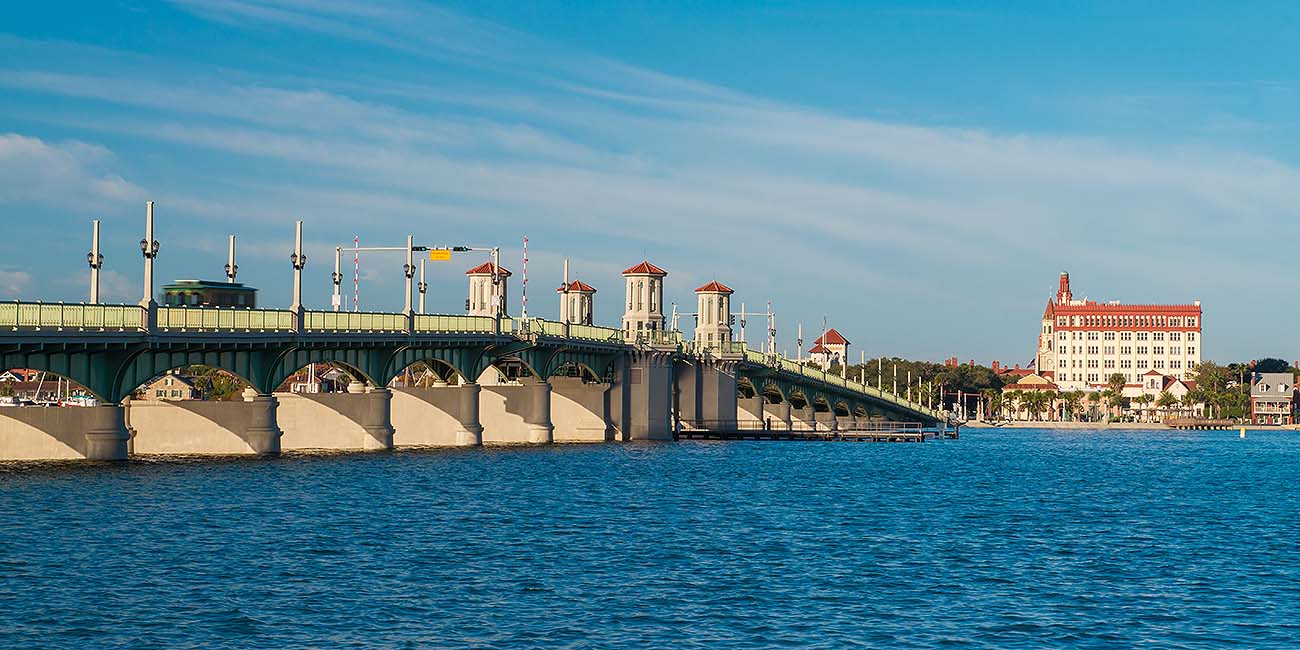
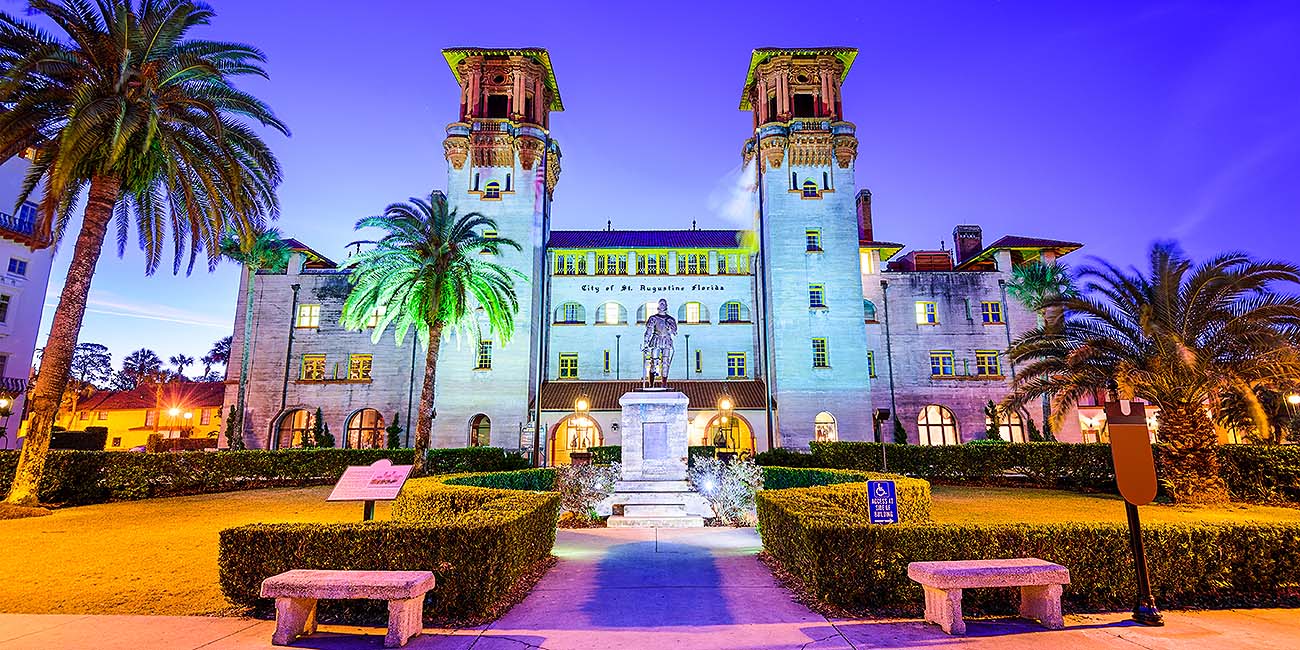
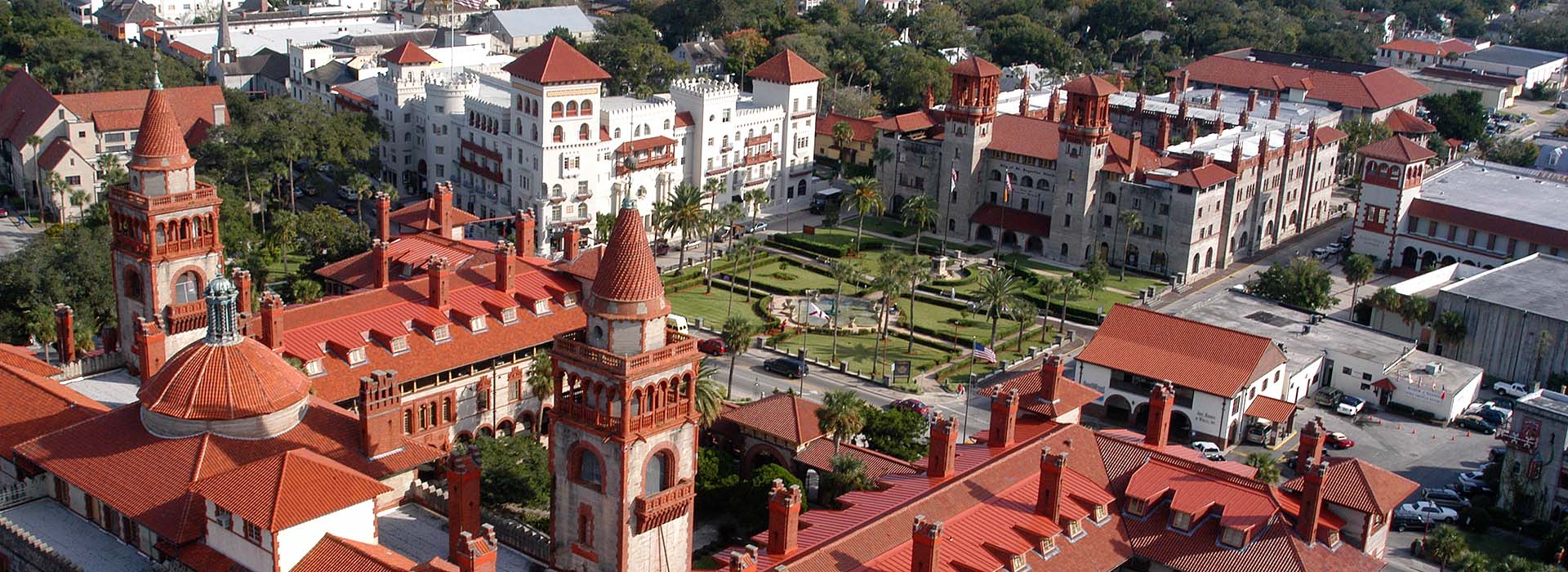
Hotel Ponce de Leon: Visit Flagler’s opulent resort built following his 1883 arrival (now Flagler College), which established St. Augustine as a resort destination.
Alcatraz Builders: Inspect the prison structure constructed by the P.J. Pauley Jail Company, the same specialized firm that later built Alcatraz.
Function & Facilities: Walk through original cell blocks designed for 72 inmates, the sheriff’s family quarters, and the site of the gallows where eight executions occurred during its 1891–1953 operation.
Paranormal Lore: Hear local legends and ghost stories about unexplained noises and spectral apparitions believed to be Flagler’s spirit lingering inside the Old Jail.
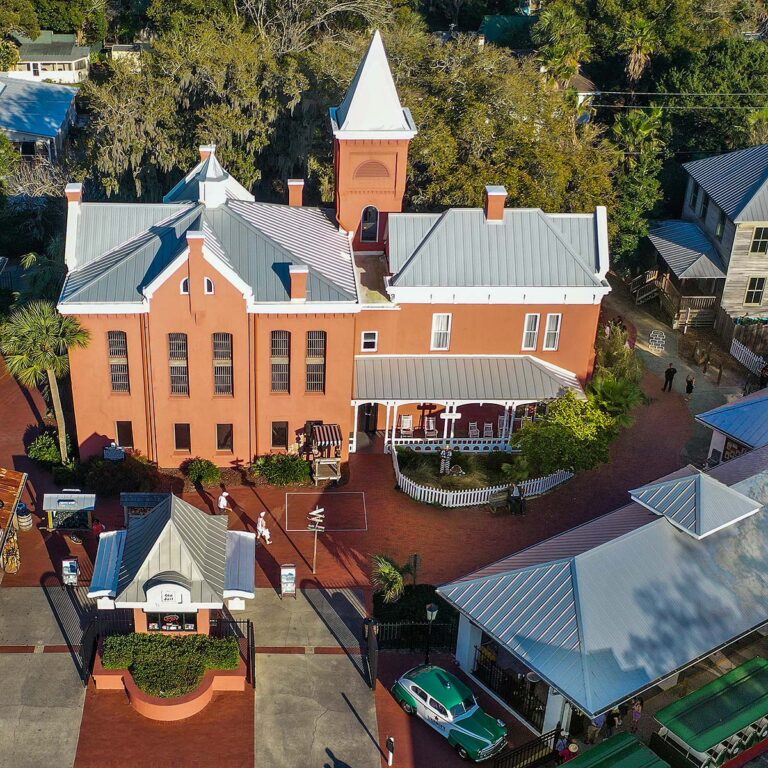
The Old Jail in St. Augustine, constructed in 1891 under Flagler’s commission, remains a historical beacon. Serving as a functioning jail until 1953, it now operates as a museum that offers a glimpse into the past. The Romanesque Revival architecture is a striking feature, adding architectural value to its historical significance. Visitors exploring the Old Jail can walk through well-preserved cells and learn about the harsh realities of prison life during that era. Guided tours bring to life the stories of inmates and the evolution of the criminal justice system, providing a rich educational experience that underscores Flagler’s multifaceted influence on Florida’s history.
Henry Flagler's Life and Legacy
Henry Flagler’s journey from a modest upbringing in Hopewell, New York, to becoming a pivotal figure in American industry and the development of Florida showcases his remarkable ambition and acumen. Born on January 2, 1830, to Isaac Flagler and Elizabeth Caldwell Harkness, Henry left school after the eighth grade to seek opportunities in Ohio. At 14, he joined his half-brother Daniel Harkness in Belleview, working in retail and earning a humble wage. By 1862, Flagler co-founded the Flagler and York Salt Company in Michigan but faced challenges due to the Civil War, leading to its eventual collapse.
Undeterred, Flagler shifted focus and, in 1867, co-founded Standard Oil with John D. Rockefeller in Ohio.
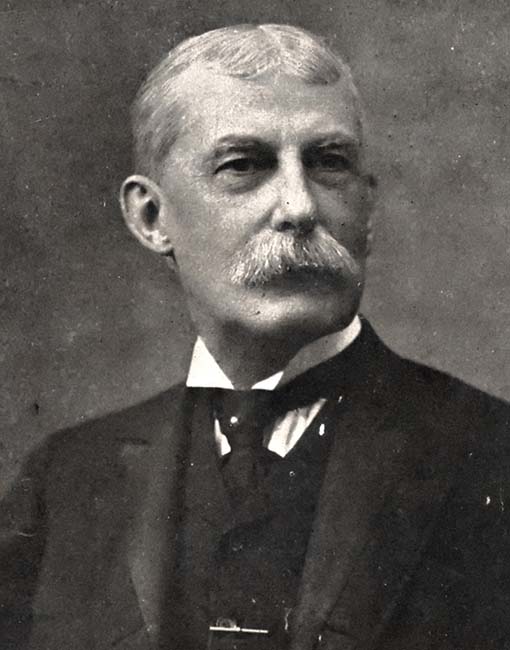
His business foresight was instrumental in turning Standard Oil into a dominant force in the oil industry. In the later stages of his career, Flagler’s interest turned to Florida after his wife, Mary, became very ill, and their family doctor suggested she visit the state for the winter. Even though Mary never recovered, Flagler’s interest in Florida grew. He was instrumental in the development of the state’s east coast. He founded the Florida East Coast Railway, significantly contributing to the growth of Miami and Palm Beach. Flagler’s influence extends beyond his business ventures, as he played a crucial role in transforming Florida into a prime destination for tourism and commerce. His legacy is a testament to his vision, tenacity and transformative impact on the American landscape.
Henry Flagler's Contributions to Florida
Henry Flagler’s contributions to Florida are numerous and transformative. In 1883, Flagler visited St. Augustine and fell in love with the area. He returned in early 1885 and purchased his first plot of land and a railroad. The plot became the site of the opulent Hotel Ponce de Leon, now a National Historic Landmark and home to Flagler College. He then acquired and expanded the Florida East Coast Railway, which became crucial in the development of Florida’s east coast. Over the following decades, Flagler constructed a series of luxury hotels along the coast, including icons like the Royal Poinciana Hotel and The Breakers Hotel in Palm Beach. His vision extended to the southern tip of the state, where he transformed Miami into a thriving city.
Perhaps Flagler’s most ambitious endeavor was the extension of the railway from Miami through the Florida Keys, known as the “Over-Sea Railroad.” Despite the complex challenge of building over water and marshland, the project was completed in 1912, significantly contributing to the Keys’ accessibility and development. Although the railroad was later destroyed by a hurricane, Flagler’s legacy endures in the infrastructure and economic growth he fostered. He passed away at age 83 in West Palm Beach on May 20, 1913, leaving a lasting impact on Florida’s landscape and history.
The Old Jail: A Flagler-Worthy Construction
The St. Johns County Jail, inaugurated in 1891, was a testament to Henry Flagler’s unwavering commitment to ensuring the safety of his guests in St. Augustine. This imposing structure was meticulously designed to blend seamlessly with the town’s picturesque landscape while maintaining a secure environment for the most dangerous criminals of the era.
Within its walls, 72 inmates could be confined in separate cells, with distinct areas for men, women, and those requiring maximum security. The gallows on the property served as a stark reminder of the jail’s role in justice, executing eight men during its operational years.
Flagler’s pursuit of perfection led to the relocation and reconstruction of the jail by the P. J. Pauley Jail Company, renowned for constructing Alcatraz, at a more discreet distance from his establishments. While the exterior charmed onlookers with its Victorian façade, the interior was notably functional with its segregated cells and even living quarters for the sheriff’s family, complete with a kitchen.
The jail’s operations ceased in 1953, marking the beginning of its transformation into a local attraction. Today, visitors can explore the stark contrasts between the jail’s deceptive exterior charm and the grim history contained within its walls. The jail offers a unique glimpse into the past justice system, revealing the harsh realities faced by those incarcerated within its confines.
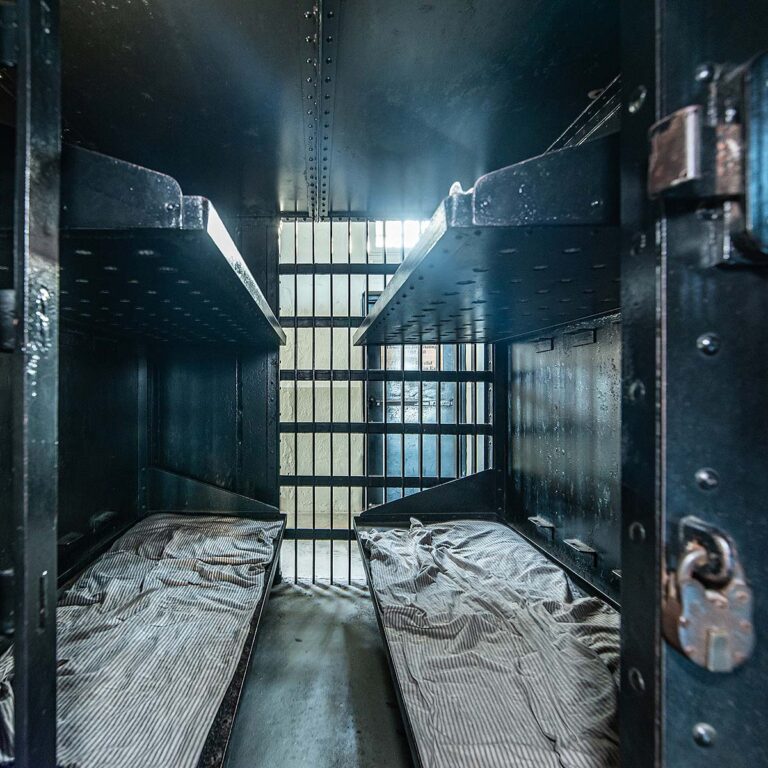
As visitors wander through the jail’s corridors, they can imagine the lives of the inmates who once called it home. The cells, with their bare walls and iron bars, evoke a sense of isolation and confinement. The gallows, a haunting reminder of the jail’s darker purpose, stand as a testament to the severity of the crimes committed and the justice meted out within its walls.
The St. Johns County Jail is more than just a historical landmark; it is a window into a bygone era. By exploring its depths, visitors can gain a deeper understanding of the challenges faced by law enforcement and the individuals who were incarcerated within its walls. It is a reminder of the importance of justice, the consequences of crime and the enduring legacy of the past.
Strange Things You Didn’t Know About Henry Flagler
Marital Controversy
Henry Flagler’s personal life was as controversial as his business ventures. He married his second wife, Mary Harkness, while his first wife, Mary Flagler, was still alive. This unconventional move led to a significant uproar and scandal during that era, as societal norms were more rigid and unforgiving.
Late-Life Weddings
At the age of 71, Flagler married Mary Lily Kenan, who was significantly younger than him. This age gap was not just a topic of gossip but also a point of fascination and critique among his contemporaries.
Rapid Expansion in Florida
Flagler’s dream for Florida’s development was beyond the ordinary. He relentlessly pushed the railroad deeper into the untamed wilderness of the state. Many saw this as a bold and visionary effort, although it was not without its critics who deemed it unrealistic.
Founding of Palm Beach
The transformation of Palm Beach from a wild, uncharted territory to a luxurious resort can be attributed to Flagler’s pioneering efforts. His remarkable vision for the town laid the foundation for what would become one of the most prestigious destinations in Florida.
Hotel Construction in Unlikely Places
Flagler’s entrepreneurial spirit led him to construct grand hotels in remote Florida locations, such as St. Augustine and Palm Beach. These areas, initially perceived as barren, blossomed under his guiding hand.
Unusual Construction Projects
Flagler was involved in several unique projects, including the ambitious undertaking of draining the Everglades to render more land habitable for Florida’s growing population. This initiative, though controversial and somewhat harmful to local wildlife, showcased Flagler’s commitment to making the state he loved a welcoming place for his fellow man.
Monopolistic Business Practices
His business methods often raised eyebrows. From the development of Standard Oil to his monopolistic strategies in the railroad and hotel industries, Flagler’s tactics were seen as ruthless and sparked considerable debate.
Extreme Wealth
Flagler amassed a substantial fortune through his diverse ventures, enabling him to fund many of his grand projects almost entirely on his own.
Personal Eccentricities
Known for his personal quirks and eccentricities, Henry Flagler’s unique personality traits, though less documented, added to the enigmatic aura surrounding this pioneering figure.
FAQs
Henry Flagler transformed St. Augustine through strategic investments and visionary projects. He built luxurious hotels like the Ponce de León, which attracted a wealthy clientele and elevated the city’s profile. Flagler extended his Florida East Coast Railway to St. Augustine, making it easily accessible and stimulating the local economy. His contributions weren’t just limited to hotels and railroads; he also funded the construction of essential infrastructure, such as water and electricity systems. One notable project was the Old Jail, a unique architectural landmark that served both practical and historical purposes. Flagler’s endeavors provided the foundation for St. Augustine’s growth as a top-tier tourist destination, ensuring its lasting appeal and prosperity.
Yes, several paranormal tales are linked to Henry Flagler at the Old Jail. Rumors swirl about eerie apparitions and unexplained noises, particularly in the areas where Flagler’s influence was most keenly felt. Some visitors have reported mysterious figures and spectral sounds, feeding into the lore that Flagler’s spirit may still linger, intertwined with the history of St. Augustine’s Old Jail.