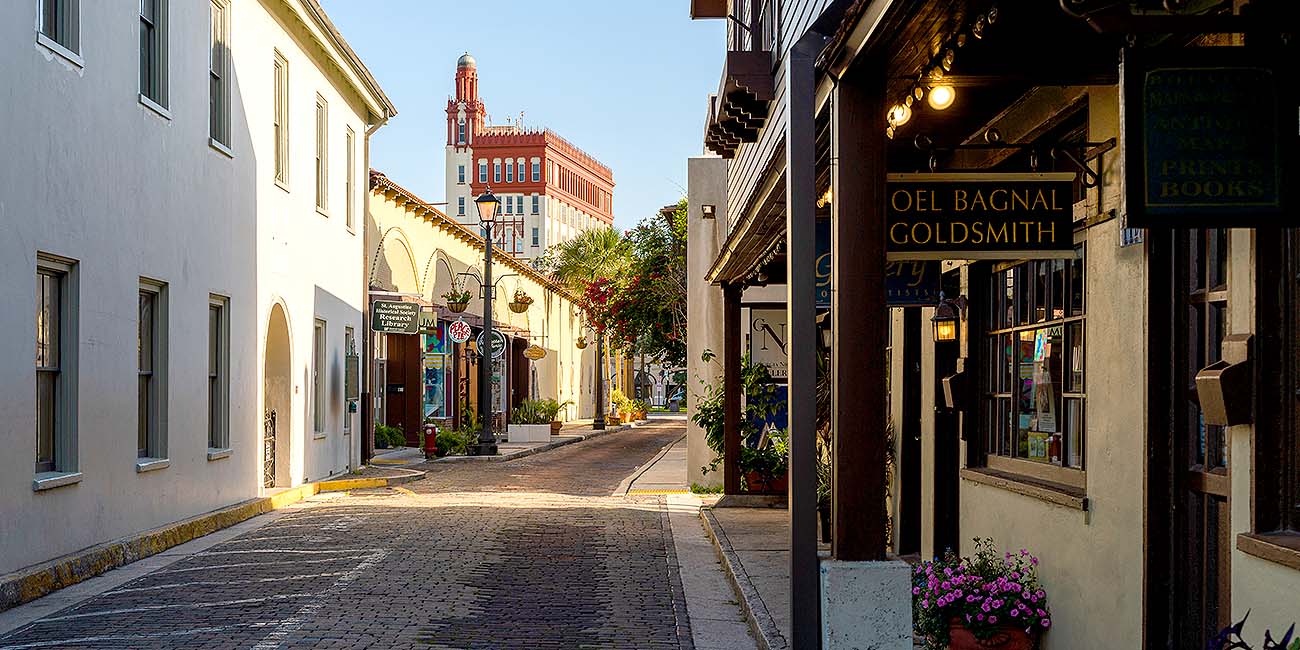
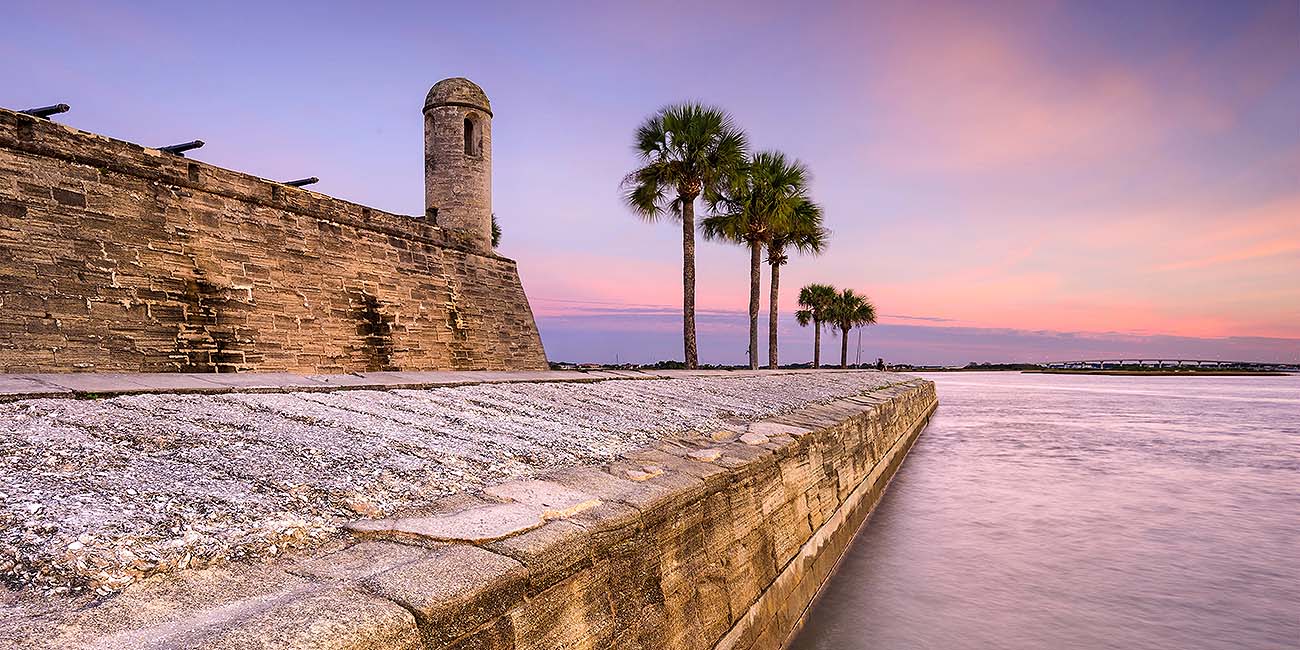
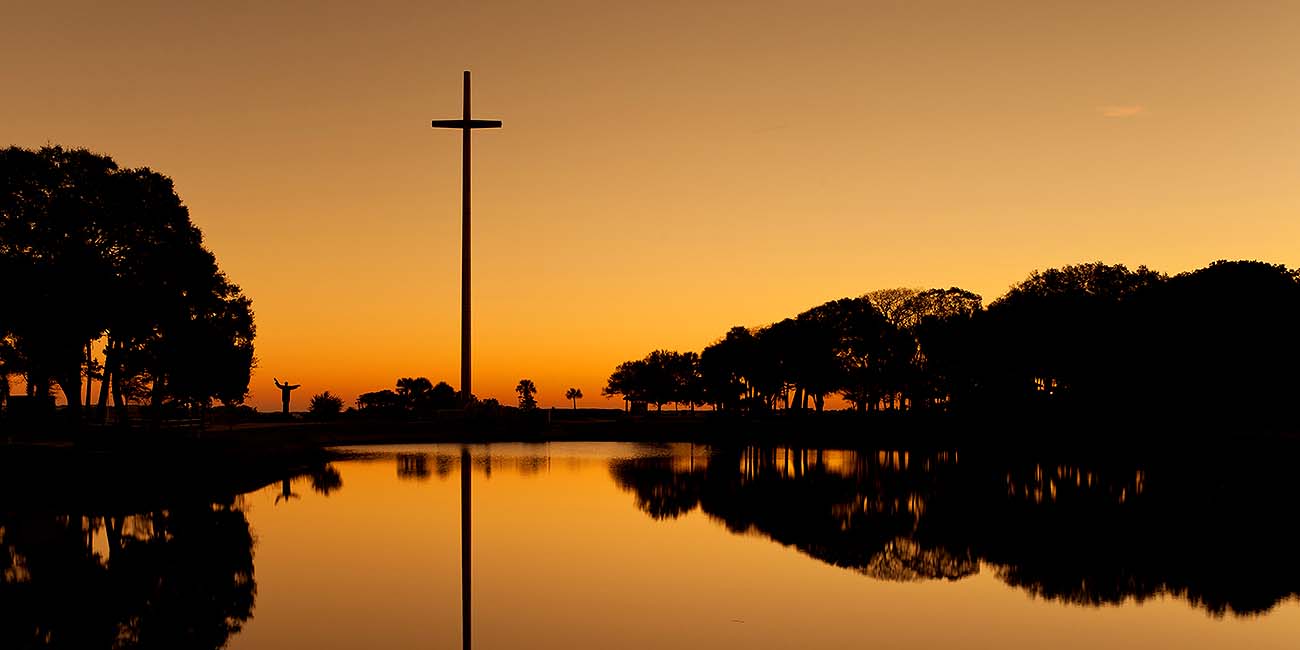
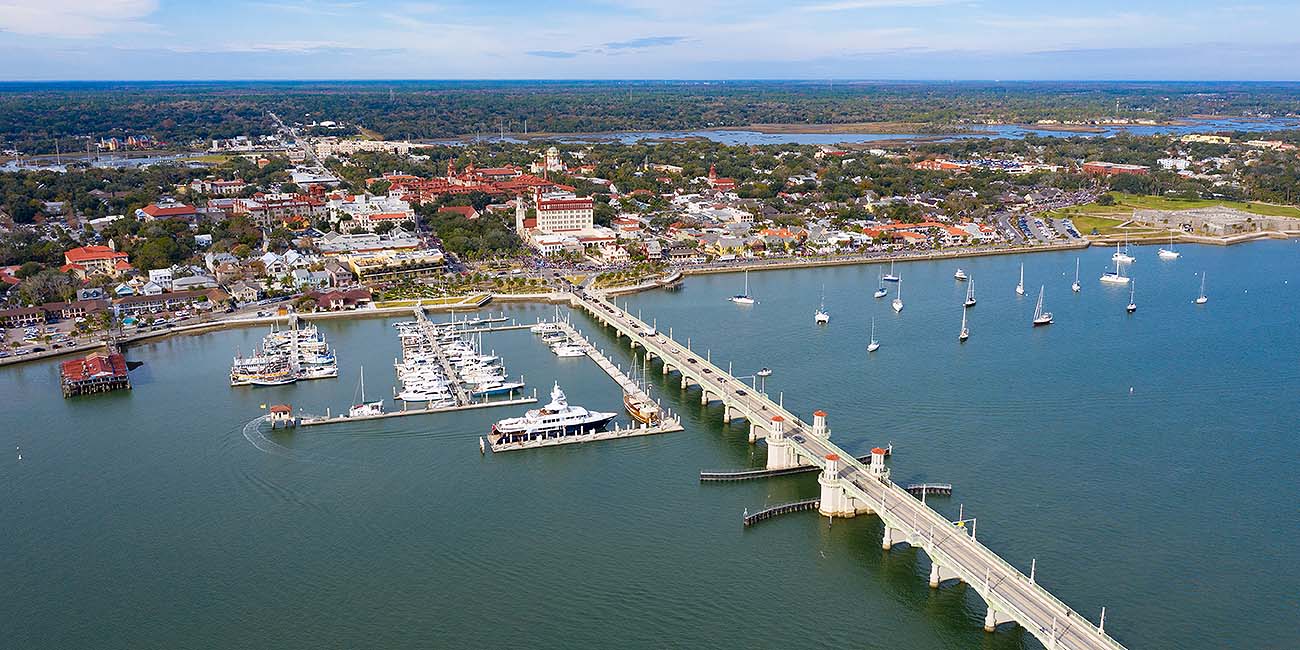
The oldest surviving European-constructed landmark in the city proper is the Castillo de San Marcos National Monument, which was constructed by Spanish builders between 1672 and 1695. For an even earlier history, the Fountain of Youth Archaeological Park marks the 1565 landing site of the city’s original Spanish colony.
Most Famous Landmarks in St. Augustine, Florida

The Best Way to Experience Historic Landmarks in St. Augustine
St. Augustine preserves over four centuries of history through Spanish colonial fortresses, Gilded Age architecture, and 19th-century penal sites. Visitors can explore iconic structures across the historic district, from coquina stone forts along the bay to preserved Victorian prisons. Touring these sites provides direct insight into the military, social, and architectural evolution of the nation’s oldest city.
Why Choose St. Augustine Old Jail?
Four Centuries of History: Discover detailed exhibits documenting four centuries of rule under Spanish, British, French, and American governments.
Interactive Living History: Take guided tours led by costumed CASTmembers at sites like the Old Jail Museum to bring historical eras vividly to life.
Diverse Architectural Marvels: Explore unique historical structures, ranging from Victorian Romanesque Revival prisons to Gilded Age Moorish Revival palaces inspired by Spain’s Alhambra.
Self-Paced Exploration: Enjoy comprehensive, self-guided audio tour options at venues like Villa Zorayda and Lightner Museum to learn at your own speed.
Points of Interest & Historic Landmarks in St. Augustine
Castillo de San Marcos: Tour the oldest coquina stone fortress in the continental U.S. and watch live historical musket and cannon firings.
St. Augustine Lighthouse & Maritime Museum: Climb 219 steps to the observation deck for 360-degree views and see archaeologists conserve real shipwreck artifacts.
Fountain of Youth Archaeological Park: Sample mineral water directly from the historic spring house and walk through a reconstructed Timucua Indian Village.
Lightner Museum: View Victorian art glass and original Tiffany stained glass inside a former 1888 luxury resort hotel.
Flagler College: Take an architectural tour of the former Ponce de Leon Hotel to view grand Spanish Renaissance details and 79 Tiffany stained-glass dining hall windows.
The Old Jail: Step inside an 1891 Victorian-style prison on a tour led by costumed CASTmembers to inspect maximum-security cells and historic weaponry.
Fort Matanzas National Monument: Board a passenger ferry to explore a 1742 coquina watchtower and walk coastal nature trails on the mainland.
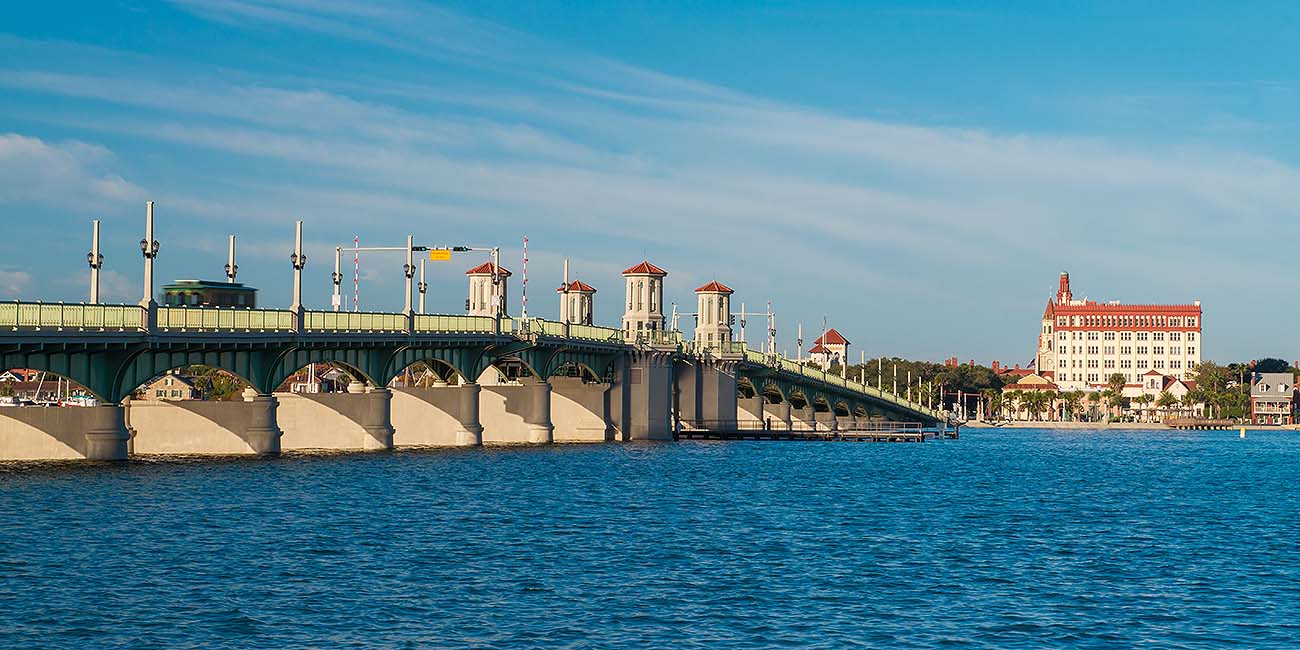
Bridge of Lions: Walk along the historic 1927 drawbridge to photograph the white marble lion statues, “Fiel” and “Firme,” guarding the entrance.
Castillo de San Marcos National Monument
The Spanish constructed this massive stone fortress in the late 17th century to defend Florida and the Atlantic trade route from pirate raids and rival European empires. It stands as the oldest masonry fort in the continental United States, built entirely from coquina, a unique local limestone made of compressed shell fragments. This resilient material allowed the fortress walls to absorb the impact of enemy cannonballs during multiple historic military sieges without ever being breached.

Things To Do
• Watch the historic weapons demonstrations, where costumed reenactors fire colonial muskets and cannons from the fortress walls.
• Walk along the expansive upper gun deck for panoramic views of the Matanzas River, the city’s historic harbor entrance, and the Bridge of Lions.
• Examine the historical exhibits, original architectural blueprints, and archeological artifacts located inside the lower stone casemates.
St. Augustine Lighthouse & Maritime Museum
This striking black and white-spiraled lighthouse rises 165 feet above sea level, standing as a prominent coastal beacon on Anastasia Island. Built in 1874 to replace an earlier Spanish watchtower, the active navigational aid still houses its magnificent original handblown Fresnel lens. The adjacent museum property focuses heavily on regional maritime history, marine archaeology, and local shipwrecks.

Things To Do
• Climb the 219 steps to the top observation deck for breath-taking unobstructed 360-degree views of the Atlantic Ocean and the downtown historic district.
• Walk through the beautifully restored Keepers’ House exhibits to view historical artifacts, old photographs, and personal journals from former lighthouse keepers.
• Observe traditional wooden boatbuilding activities taking place on-site at the Heritage Boatworks, or watch archaeologists stabilize real shipwreck artifacts in the conservation lab.
Ponce de Leon's Fountain of Youth Archaeological Park
This beautiful 15-acre waterfront park commemorates the traditional site where Spanish explorer Juan Ponce de León landed in 1513 while searching for the legendary lands of Bimini. It also marks the precise archaeological location of the original 1565 St. Augustine settlement established by Admiral Pedro Menéndez de Avilés. The park stands out among landmarks in St. Augustine, FL, for its deep connection to the very first colonial footprints in North America.
Things To Do
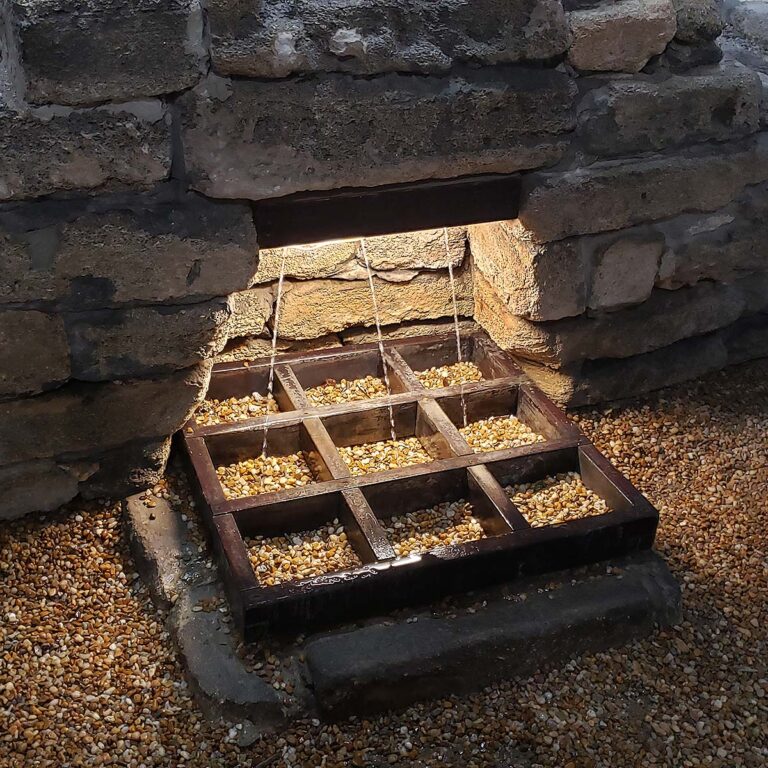
• Drink mineral-rich water directly from the historic spring inside the stone springhouse, which has been celebrated for centuries.
• Watch the live Spanish cannon firing demonstrations and observe a traditional blacksmith working over a hot forge.
• Walk through the Timucua Indian Village reconstruction to learn about the daily life, agricultural practices, and tools used by the indigenous population prior to European contact.
Lightner Museum
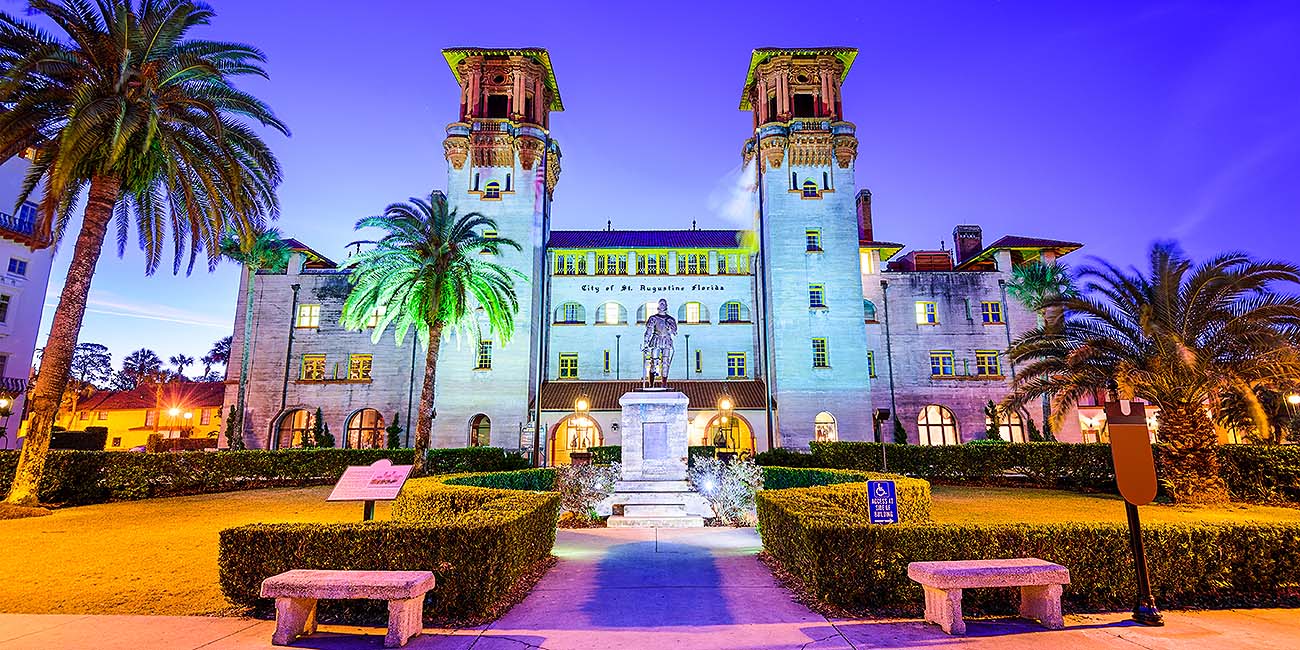
Housed in the former Alcazar Hotel, commissioned by industrialist Henry Flagler in 1888, this museum contains a vast collection of 19th-century art, porcelain, and Gilded Age antiquities. The majestic building features stunning Spanish Renaissance architectural styles, grand towers, and a large central courtyard complete with koi ponds. It stands as one of the most sophisticated landmarks in St. Augustine, FL, for art lovers and architecture enthusiasts alike.

Things To Do
• View the magnificent Victorian art glass collections, exquisite handblown glass sculptures, and authentic Tiffany stained-glass windows.
• Walk through the historic indoor swimming pool area, which was the largest in the world during the 1880s and now functions as an event space and a unique local cafe.
• Listen to the intricate, rare mechanical musical instruments, including antique player pianos and orchestrions, during the daily scheduled demonstrations.
Flagler College
(Former Ponce de Leon Hotel)
Now a private liberal arts college, this spectacular structure originally opened its doors in January 1888 as a luxury resort catering to wealthy northern tourists. The building represents the pinnacle of Spanish Renaissance architecture in Florida, constructed of poured concrete mixed with local coquina shell. The property features breathtaking interior designs created under the personal direction of legendary artist Louis Comfort Tiffany.

Things To Do
• Take a student-led architectural tour of the majestic central courtyard, the grand lobby, and the main public rooms of the historic former hotel.
• View the large cavernous dining hall featuring 79 original Louis Comfort Tiffany stained-glass windows that illuminate the room with vibrant colors.
• Observe the intricate hand-carved woodwork, hand-painted murals on the ceilings, and imported mosaic tile floors throughout the main floor.
The Old Jail
Built under the direction of Henry Flagler in 1891, the Old Jail housed county prisoners for over 60 years under the watchful eye of local sheriffs. The structure was creatively designed to resemble a trendy Romanesque Revival Victorian hotel from the outside to blend in with the surrounding luxury architecture, masking its true penal purpose from wealthy tourists staying nearby.
Today, it operates as an immersive living history museum offering fully guided tours that detail the harsh realities of the 19th-century judicial system.
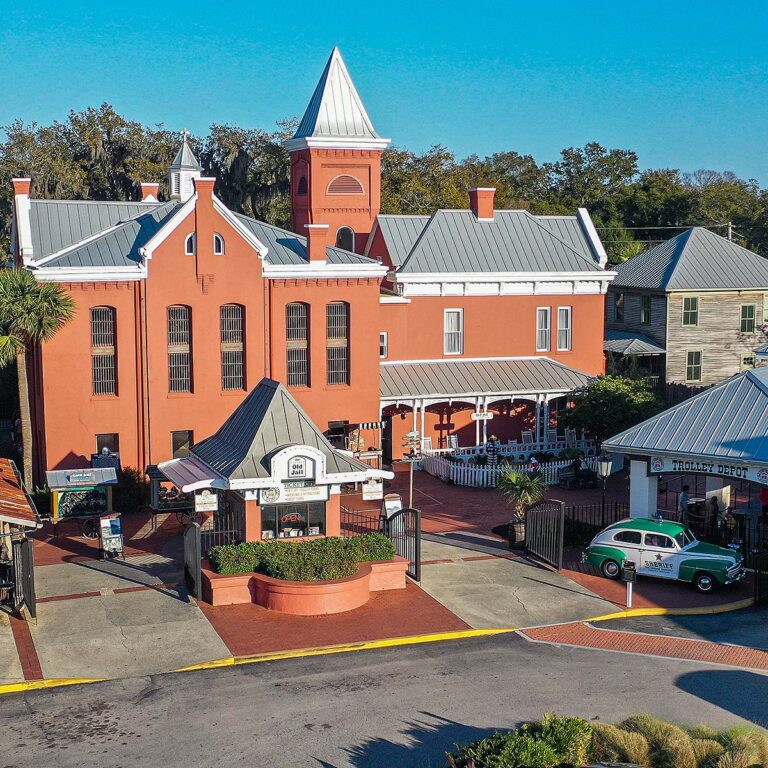
This is a primary historical stop for anyone researching essential landmarks in St. Augustine, FL.
Things To Do
• Take an informative guided tour led by CASTmembers in period dress, who will guide you through the facility.
• View the stark maximum-security cells, the cold iron bars of the inmate wings, and the comfortable sheriff’s family living quarters located directly adjacent to the cellblocks.
• Learn about the historical weapons, early forensic tools, and punishment artifacts utilized during the jail’s multidecade operational years.
• Book your tickets directly online through our official website to secure your preferred tour time and unlock the best available family rates.
Fort Matanzas National Monument
The Spanish completed this compact coquina watchtower in 1742 to safeguard the Matanzas Inlet, effectively blocking southern water access to the city’s vulnerable rear flank. It acted as a critical military outpost to warn the main settlement of approaching enemy vessels or hidden naval movements. The fort sits on Rattlesnake Island within the salt marshes of the river and is accessible only by water.

Things To Do
• Take the passenger ferry from the visitor center across the river to the island, enjoying a brief scenic boat ride filled with local wildlife viewing opportunities.
• Climb the wooden ladder inside the fort to access the upper gun deck, view the original iron cannons, and step into the officers’ quarters.
• Walk the short nature trail on the mainland side to explore the local maritime hammock environment, coastal mangroves, and barrier island habitats.
Bridge of Lions
Opened to the public in 1927, this historic drawbridge spans the Matanzas River, connecting downtown St. Augustine to the coastal communities of Anastasia Island. It features two massive marble lion statues guarding the western entrance, which were sculpted in Italy and donated to the city. The bridge remains a central component of the city’s coastal architecture, maritime skyline, and daily transportation.

Things To Do
• Walk across the wide pedestrian paths for spectacular panoramic views of the waterfront, the bayfront plaza, and the historic inlet.
• Watch the grand drawbridge mechanism operate as it opens its massive leaves to allow tall-masted sailboats and commercial marine vessels to pass through.
• Photograph the white marble lions, named “Fiel” and “Firme” (meaning Faithful and Firm), at the western approach to the bridge.
Sightseeing Strategies
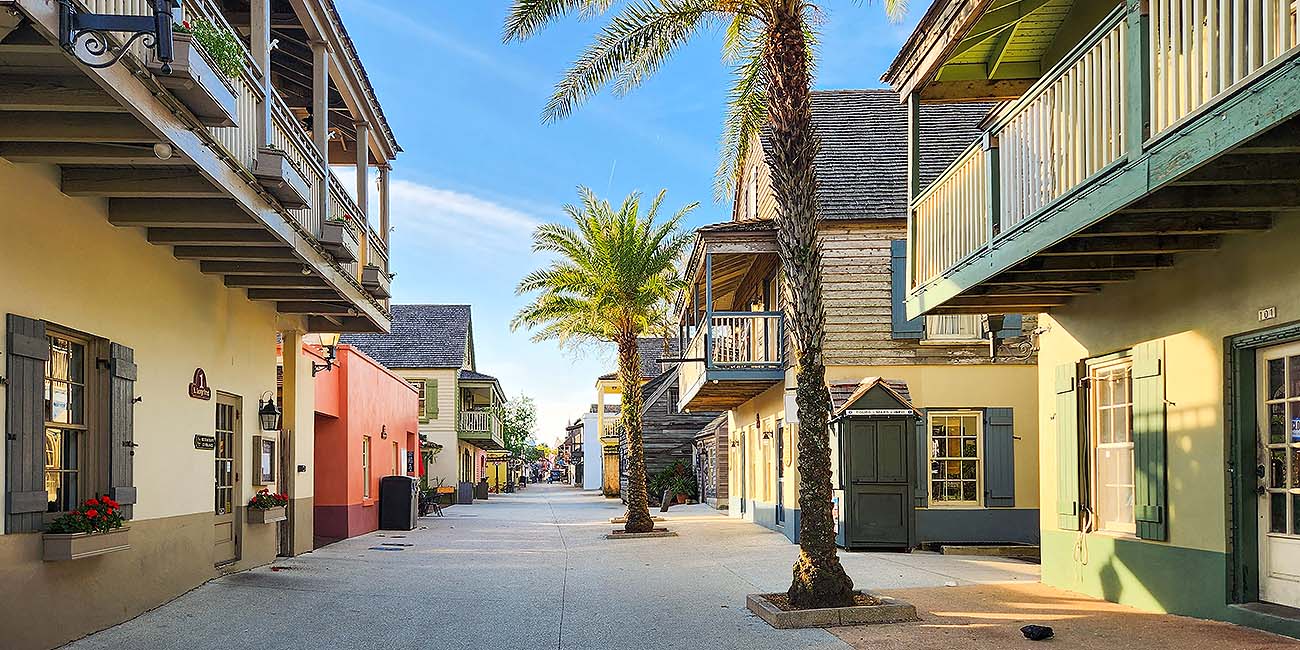
Because the historic core features an incredible density of sights, organizing your daily routes can save your family a significant amount of walking. Grouping the sightseeing of landmarks in St. Augustine, FL, into regional clusters ensures a relaxed, enjoyable vacation pace.
The Historic North Core Route
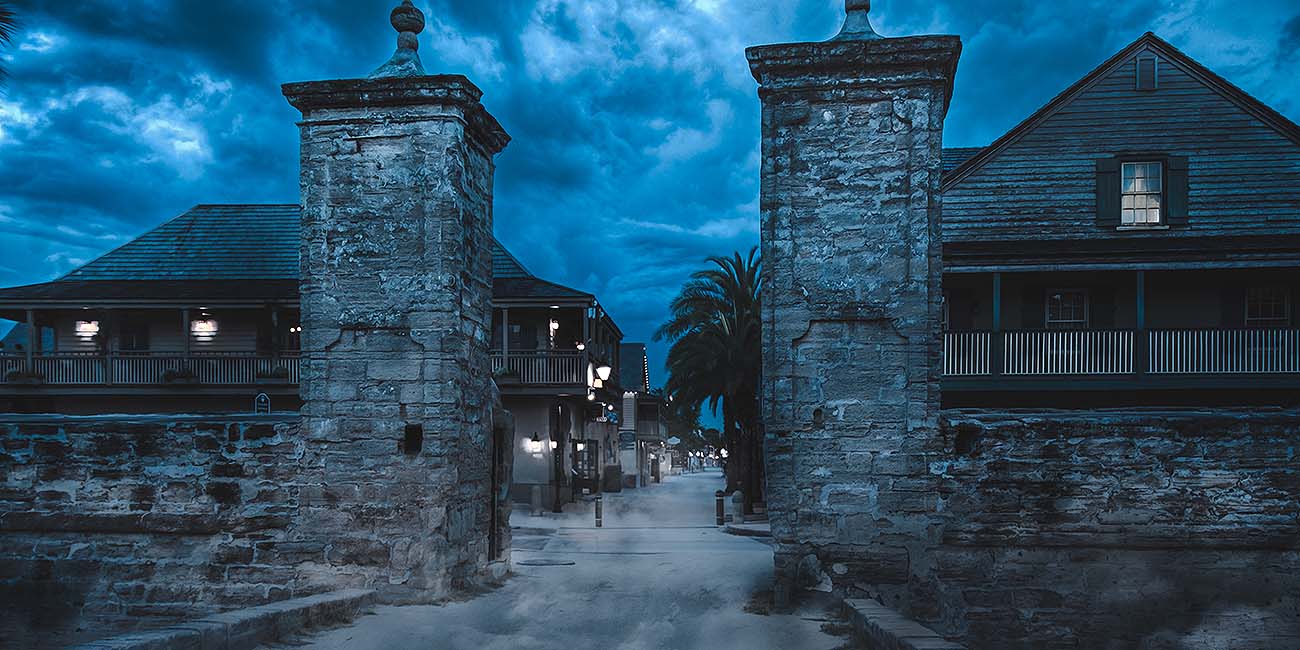
Dedicate a morning to exploring the military and penal history of the city near the historic Old City Gates. Start your day with a guided tour of the Old Jail to experience 1891 living history firsthand. After your tour, take a short stroll to the waterfront to explore the massive coquina walls of the Castillo de San Marcos National Monument, and finish your route with a visit to the Fountain of Youth Archaeological Park.
The Plaza and Gilded Age Route
To experience the architectural transformation of the late 19th century, center your itinerary around the central Plaza de la Constitución. Spend your day taking an architectural tour of Flagler College, viewing the art collections inside the Lightner Museum, and walking across the Bridge of Lions to watch the boats pass through the inlet.
Planning Tips for Your Trip
Use these local planning tips to keep your group comfortable and informed throughout your historical adventures.
Recommended Booking Timelines
Securing your preferred timeslots online ahead of time is highly recommended, especially during peak travel seasons. We advise booking your specific museum tickets and specialized historical tours roughly two to four weeks in advance. This timeline is particularly vital during the busy summer vacation months and the spectacular autumn travel season, when visitors arrive from around the globe to experience the city’s historical charm.
Getting Around
Forget about fighting for scarce parking spaces in the historic core, paying high garage fees, or navigating unfamiliar traffic patterns. The absolute best way to travel between these iconic landmarks is with Old Town Trolley Tours®.
The system is completely hop-on, hop-off, meaning you can explore the city at your own exact pace. When your legs get tired, you simply jump back onto the next arriving trolley for a breezy, shaded, and entertaining ride to your next destination. The conductors provide humorous live historical commentary throughout the loop, turning your daily transportation into a fun part of the sightseeing experience itself.

Come See the Landmarks in St. Augustine!
The iconic landmarks in St. Augustine, FL, offer an unparalleled journey through American history. Exploring these properties allows you to see history move off the pages of textbooks and into the real world, so prepare to discover the enduring magic of the nation’s oldest city!
FAQs
Many downtown historic sites, such as Flagler College, the Lightner Museum, and the Castillo de San Marcos, are located close together and can easily be reached on foot. However, a few prominent attractions, such as the St. Augustine Lighthouse or Fort Matanzas, are located several miles away on neighboring islands, requiring a car or a trolley ride to access.
You can purchase tickets directly online through our official ticketing website. Pre-booking your passes ahead of time ensures you secure your preferred departure time, protects your traveling group from sold-out tours during peak tourist seasons, and unlocks the best available online pricing and family rates.
Yes, the vast majority of major historical attractions and museums in the city operate seven days a week year-round, typically closing only on major holidays like Thanksgiving and Christmas Day. It is always wise to check the official website of each individual landmark before your visit to confirm its current daily operational hours.
The most efficient, stress-free transportation method for sightseeing is Old Town Trolley Tours. Its comprehensive hop-on, hop-off framework features dedicated stops situated directly outside all the major historic landmarks, museums, and shopping plazas, completely eliminating the need to drive a car, navigate city traffic, or pay for individual public parking spaces throughout your stay.